

New to Little Ashford? A Checklist of Community Groups to Join
Arriving in a village is a bit like walking into a party that started an hour ago. People nod, the shopkeeper already knows which dog belongs to which house, and someone will mention "the fete" as though you were at the planning meeting. The quickest cure is not to wait for an invitation. Village life runs on a dozen or so groups, and almost all of them would rather have a new pair of hands than a flawless attendance record.
This is a working checklist rather than a directory. Meeting times shift with the seasons and with whoever is holding the keys, so treat the details below as a starting point and confirm before you turn up with a tray of brownies.
Start with the noticeboard and the parish council
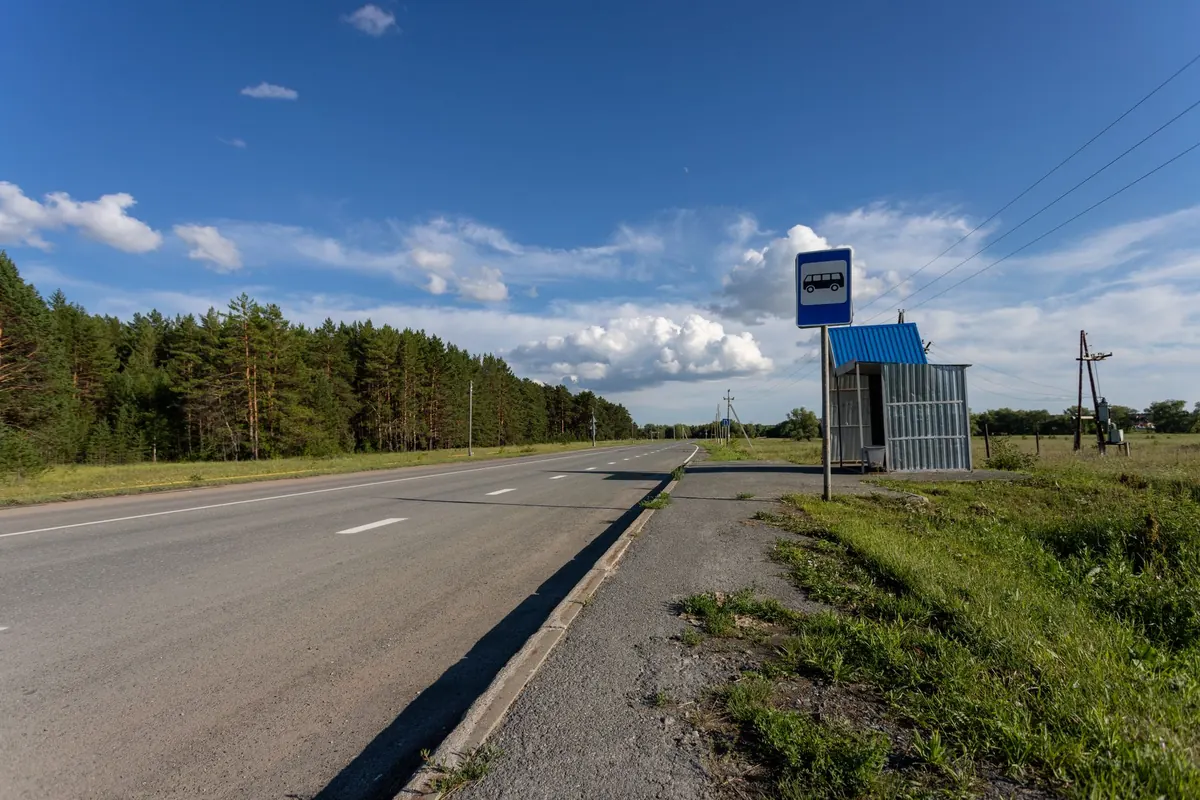
Little Ashford has two noticeboards worth photographing on your phone: one in the porch of the village hall, one by the bus shelter. Between them they carry most of what happens here, plus the occasional lost cat. The parish council also keeps a website with agendas and a contacts page, and the monthly village newsletter — free, usually stacked by the till in the shop — lists dates a month ahead.
Council meetings are normally monthly, in the evening, in the village hall, with the agenda posted a few days beforehand. Turn up once and you will hear reports from nearly every other group in the village. It is the single most efficient hour you can spend as a newcomer. The parish clerk handles correspondence and can point you towards whoever runs the thing you are actually interested in.
Village hall regulars: the easy first step
If you know nobody, start with something that expects you to do nothing but sit down.
- Coffee morning — Tuesdays, 10am to noon, side room of the village hall. No membership, no booking. A donation tin for the tea urn. This is where most newcomers meet their first six neighbours.
- Toddler group — term-time weekday mornings. Check the hall timetable taped inside the lobby door; the day changes when the school terms do.
- Village hall committee — meets roughly every six weeks in the evening. Short of people who can paint a wall, chase a grant, or run a raffle. Ask the hall bookings secretary, whose number is on the noticeboard.
- Women's Institute-style group — monthly evening meeting with a speaker, plus a walking subgroup and a craft afternoon. The secretary's email is on the parish contacts page.
- Men's shed or workshop group — often shares space with the allotments; ask there if the noticeboard has gone quiet.
Outdoors: growing, walking, clearing up
The outdoor groups are the ones that quietly hold the village together, and they are unusually welcoming because the work is never finished.
- Allotment association — full plots have a waiting list, but the association always needs help with the communal orchard and the hedgerow. Monthly work morning, usually a Saturday, tools provided. Contact through the allotment noticeboard by the gate.
- Village walking group — Sunday mornings, meeting at the war memorial, with a short route and a longer one so nobody gets left behind. No need to book; just be there a few minutes early.
- Litter pick — first Saturday of the month, 10am, hi-vis vests and bags handed out at the hall. An hour and a half, and most people drift to the pub afterwards.
- Conservation volunteers — seasonal work: hedge laying in winter, meadow raking in late summer. Dates go out by email; ask the parish clerk to add you to the list.
Sport, and the helpers sport actually needs
Cricket nets run on Thursday evenings through the summer, with Sunday fixtures; the bowls club plays on the green behind the hall; badminton takes the hall on a Thursday; and a running group sets off from the corner by the shop at an hour that suits whoever turns up. Football and junior cricket both run through the school year.
Here is the thing worth knowing: every one of those clubs is shorter of scorers, umpires, teas and lift-givers than it is of players. If you are not sporty, offer to keep score. You will meet the whole club in one afternoon.
Volunteering and the quiet infrastructure
Much of what happens in Little Ashford is invisible until you need it: the food bank collection, the rota of phone calls to people living alone, the volunteer drivers getting neighbours to appointments, the Neighbourhood Watch email list, the reading volunteers at the school.
Two practical notes. Anything involving children or vulnerable adults will require a DBS check, arranged by the organisation — expect it to take a few weeks, so start early. And everything in this section involves confidentiality; the details you hear stay with you, not in the shop queue.
Indoor interests: history, books, music, mending
The history society meets monthly with a talk and runs an archive afternoon; the book group swaps titles over a glass of something on a weekday evening; the choir rehearses weekly in the church and takes anyone who can hold a tune, or is willing to learn; the repair café runs on occasional Saturday mornings with volunteer menders for bikes, small electricals, textiles and furniture. If any of these sound like your people, the fastest route in is to email the contact on the parish website and say you would like to come along to the next one as a guest.
Four rules for joining well
- Go twice before you decide. First visits are never representative. The second one is where you work out whether you actually like the people.
- Message before turning up to anything with a door code, a subscription or a waiting list. For coffee mornings and walks, just arrive.
- Offer something small in the first month. Washing up counts. So does bringing a spare pair of secateurs or driving someone home.
- Say yes to one rota, not four. The people who burn out in villages are the ones who joined everything in September.
A sensible first month
Week one: coffee morning and a photo of both noticeboards. Week two: pick one evening group and go as a guest. Week three: give an hour to something outdoors — the litter pick or a work morning. Week four: nothing at all. Let it settle.
By then you will have names, a rough idea of who to ask about what, and an invitation or two you did not have to chase. That is how Little Ashford works. Nobody expects you to know the fete — they expect you to turn up and help carry the tables.
Photo: 寻雨小鱼 / Pixabay