
First-Time Visitor's Guide to Little Ashford: Parking, Toilets, Buses and Etiquette
Little Ashford is the kind of place that rewards a bit of preparation. The lanes were laid out for carts rather than cars, the car park fills quickly on a sunny Saturday, and the village keeps hours that owe more to farming than to retail. Sort the practical side in advance and the day becomes what it should be: a slow wander, a decent lunch, and a walk that ends with mud on your boots.
This is the unglamorous half of a visit — parking, buses, toilets, and the small unwritten rules that keep things pleasant for the people who live here.
Parking: Check the Signs Before You Walk Away
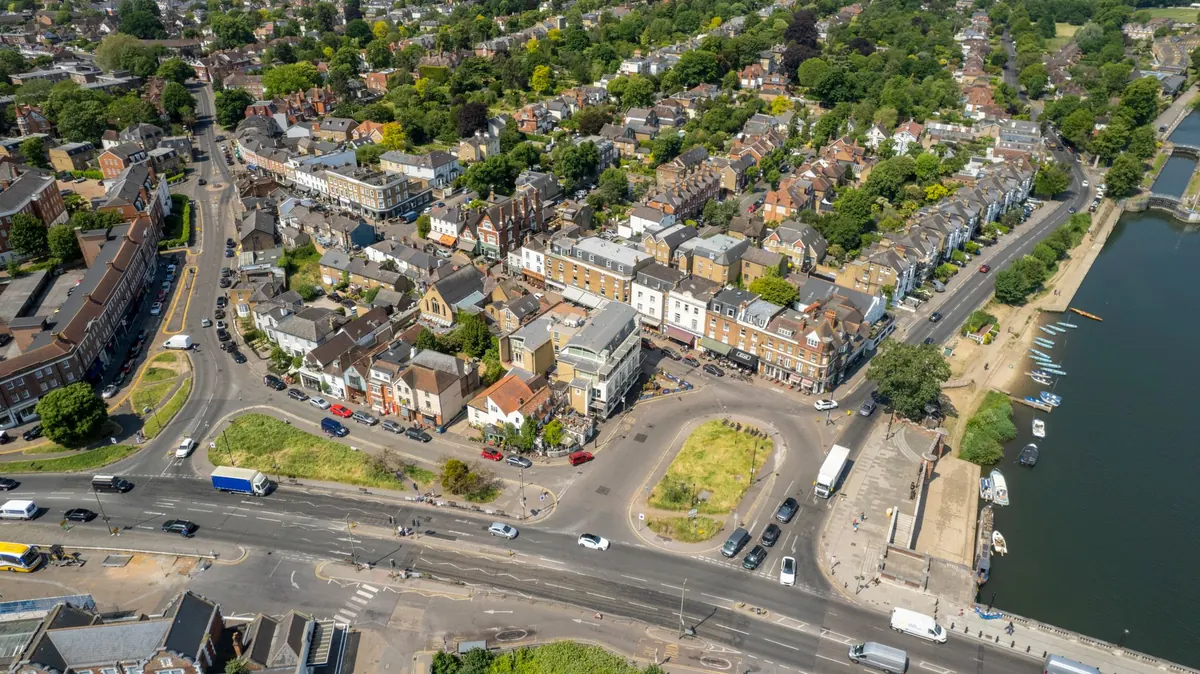
The main village car park is the sensible first stop. It sits close to the centre and is usually the cheapest option, but it is also small, and by mid-morning at weekends it can be full. Payment is typically pay-and-display, and machines vary — some take cards, some want coins, and a few still insist on exact change. Arrive with both.
- Note the maximum stay and the return time on your ticket, and stick to it. Parking enforcement does reach villages.
- Photograph the sign and the ticket. It settles most arguments later.
- Do not use the church or village hall car park unless you are actually using the church or the hall. Those spaces are for congregations, hirers and deliveries.
- Never park on a grass verge, in front of a gate, or across a footpath. Verges turn to mud, gates need to open, and walkers need to pass.
If the Main Car Park Is Full
Look for signed overflow parking on the edge of the village before you start circling. A ten-minute walk in from the outskirts is usually faster than hunting for a space in the middle. Lay-bys on the approach roads can work, but only where there are no double lines, no passing-place markings and no farm entrances. On narrow lanes, tuck in tight against the hedge where it is safe, and leave room for a tractor — because one will come.
Buses, Trains and Arriving Without a Car
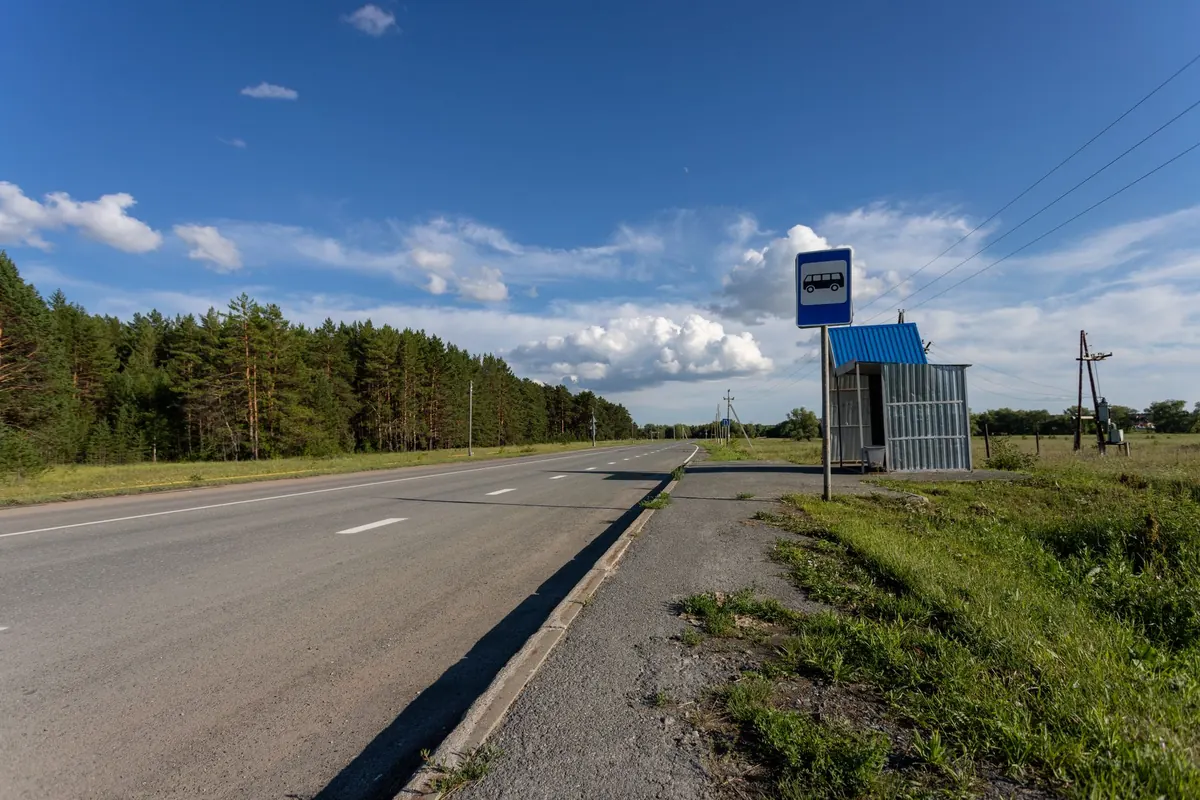
Public transport is useful here, but it runs on a village rhythm. Check the timetable the day before you travel rather than on the day, and check the return times at the same time as the outbound ones. The last useful bus often leaves in the late afternoon, and Sunday services can be sparse or non-existent.
A few habits make rural buses easier:
- Put your hand out clearly as the bus approaches. Drivers will not stop for someone who looks like they are waiting for a friend.
- Have the fare or a contactless card ready. Change may not be available.
- Ask the driver which stop is closest to where you are going. Village stops are often named after a landmark, not a street.
- Save a local taxi number before you set off. There are rarely many cars, and they book up on weekend evenings.
If you arrive by bike, remember the lanes have blind bends, high hedges and nowhere to escape onto. Ride predictably, keep left on bends, and use a bell on shared paths.
Toilets, Water and Everyday Facilities
Public toilets in villages are rarely open around the clock. Where they exist, they are usually looked after by the parish council, may close in the early evening, and are sometimes shut out of season. Read the notice on the door rather than assuming.
Beyond that, the dependable options are the places where you are a customer: a café, a pub, or the village shop. Buying a coffee is a fair exchange for using the facilities, and it is how small places keep them open. Baby changing is more often found in a pub or café than in a public block, so ask. If you want to refill a water bottle, ask at the counter — most places will say yes.
Be realistic about access. Pavements in older villages are narrow and uneven, kerbs are high, and churchyard paths can be gravel or grass. If someone in your group has mobility needs, ring ahead to whichever pub or attraction you plan to visit and ask about step-free entry and parking near the door.
Etiquette: The Rules Nobody Writes Down
Village etiquette is mostly about paying attention.
Greet people. A "morning" or a nod as you pass is normal on footpaths and in the lanes, and it is not an invitation to a conversation unless you both want one.
Leave gates as you find them. If a gate is closed, close it behind you. If it is open, leave it open. This matters on farmland, and getting it wrong can move livestock.
Keep dogs under control. Lead them near livestock, always around sheep, and bag and bin what they leave. A dog loose in a field of sheep is a real problem for the farmer, not a minor irritation.
Stay on the path through gardens and private land, and ask before photographing people or the inside of a church. Keep voices low in the churchyard and along residential lanes. Village quiet is the product here, not a by-product.
Carry a little cash alongside your card. Most places take cards now, but a village hall honesty box, a roadside stall or a small café may not.
Shops, Pubs and Opening Hours
Hours bend around village life. A shop may shut for lunch, close early on a weekday, or take a half-day midweek. Pubs often close in the afternoon between lunch and evening service. If you are planning a meal, book for Sunday lunch and for any large group, and check the kitchen times rather than the opening times — they are not always the same.
Farm shops and honesty stalls are worth a look, and most run on trust. Take what you need, leave the right money, and don't be the person who clears the shelf.
Before You Set Off: A Quick Checklist
- Check the bus timetable and the last return journey.
- Bring coins and a card for parking.
- Download an offline map; signal in the lanes is patchy.
- Wear shoes you don't mind ruining, and take a waterproof.
- Pack a lead, bags and water if you are bringing a dog.
- Save a taxi number and the number of wherever you plan to eat.
- Arrive early. The best of Little Ashford happens before the crowds.
Do those small things and the village will feel easy, welcoming, and worth the trip back.
Photo: Ollie Craig / Pexels