
Little Ashford Village Fete: A First-Timer's Guide to Timings, Parking and What to Bring
Little Ashford's annual fete is one of those days that looks effortless and is anything but. By ten in the morning the green has a ring of stalls around it, a tea tent that smells of other people's baking, and a faint air of organised panic behind the tombola. By four it is over. In between there is far more going on than a first-timer expects, and the difference between a lovely afternoon and a frazzled one usually comes down to three things: when you arrive, where you leave the car, and what is in your bag.
What actually happens, hour by hour
The fete generally runs from late morning into the mid-afternoon, with a slow start, a busy middle and a slightly chaotic finish. Exact times shift from year to year, so check the noticeboard by the village hall or the programme posted through your door before you plan around it. What follows is the shape most years take.
Morning: the quietest, best hours
The first hour or so is when the fete is at its most relaxed. Stallholders are still arranging their tables, the cake stall is fully stocked, and the queue for the tea urn is three people rather than thirty. If you want to browse properly, this is your window. It is also when the dog show entries are taken and when the brass band is tuning up, which is oddly charming in its own way.
Midday to mid-afternoon: the crush
Between roughly half twelve and half two, the place fills up. The car park field is full, the ice cream queue wraps past the church gate, and the main ring events pull everyone to one side of the green at once. This is the best part of the day if you have children in the races, and the worst part if you were hoping for a quiet sit-down. Plan around it rather than fighting it.
The last hour
By mid-afternoon, things start to wind down. Plants get discounted, remaining cakes go cheap, and stallholders begin packing away while still politely pretending they are open. It is a good time for bargains. It is a poor time to arrive expecting to see everything, because half of it will already be in someone's van.
When to arrive, and when to leave
Arrive in the first forty-five minutes if you want to park close by, and again after about one o'clock, when the earliest visitors start drifting home and spaces free up. Avoid arriving between twelve and one unless you enjoy circling a field behind a tractor.
A rough plan that works well for most people:
- 10.15am — arrive, park easily, walk the full circuit of stalls before the crowds.
- 11.30am — tea and cake while the queues are still short.
- 12.30pm — watch the main ring events and buy raffle tickets.
- 2pm — children's races, ice cream, second look at the book stall.
- 3.15pm — final sweep of the plant stall, then head home before the exit queue forms.
Parking without the drama
Little Ashford's lanes were not built for a few hundred extra cars, and there is no proper car park in the village centre. Most years the fete runs a temporary field or school playground arrangement with stewards in hi-vis jackets directing traffic. Follow their instructions, even if it means parking further away than you hoped. They know which gate leads to a bog and which does not.
A few things worth knowing:
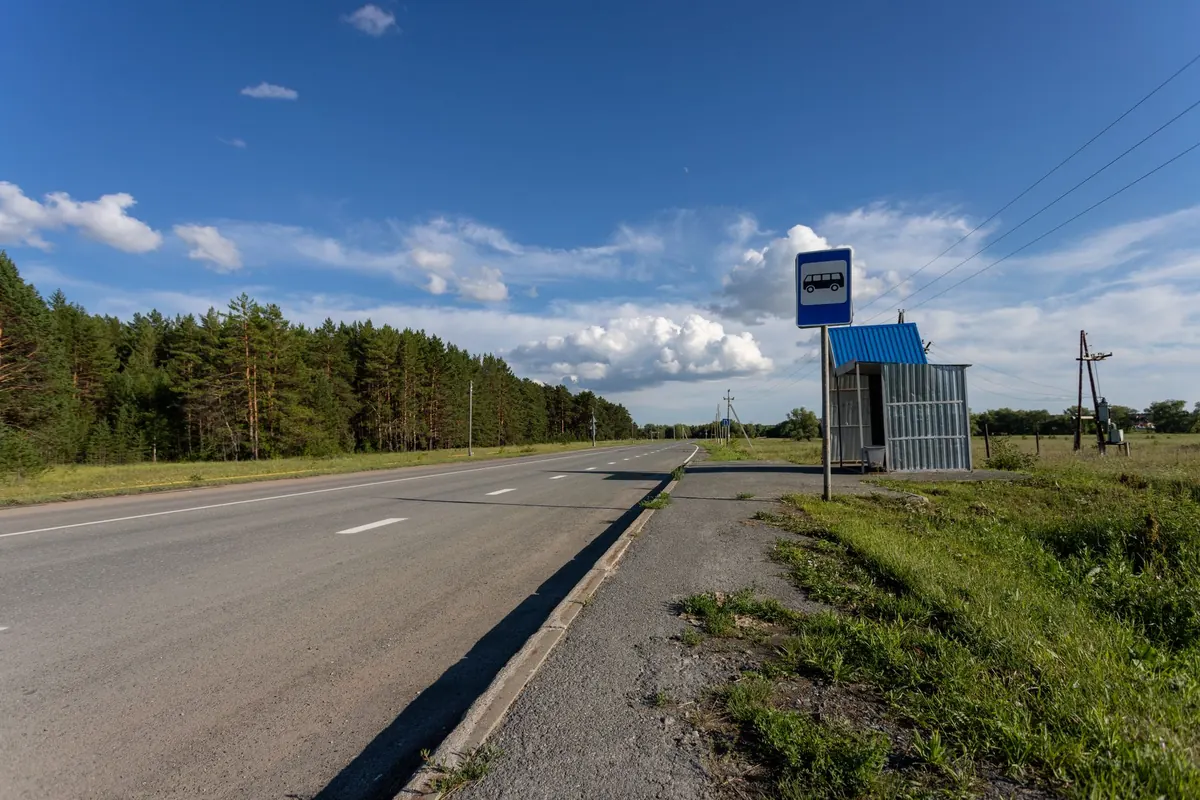
- Do not park on verges, at farm gates, in front of drives, or anywhere near the bus stop. It causes genuine problems for residents and for the emergency services.
- If you have a blue badge, tell the steward at the entrance gate. There is usually a small hardstanding area set aside close to the main field.
- Take a photograph of where you parked. Every field looks identical after four hours of tombola.
On foot and on two wheels
If you live within a mile or so, walking is genuinely faster than driving and parking, and you avoid the whole business of reversing out of a wet field. There is usually a bike rack by the village hall; bring a lock and do not lean bikes against stalls.
Getting out again
The worst fifteen minutes of the entire day are the fifteen minutes immediately after the raffle is drawn. Everyone leaves at once. Either slip away before it is drawn, or stay for the clear-up and a final cup of tea and let the field empty around you.
What to bring
- Cash, in small notes and coins. Most stalls are run by volunteers and several will not take cards at all, and mobile signal on the green can be patchy.
- A tote bag or two, plus something rigid if you plan to buy plants.
- Sun cream and a hat. The green is open and shade is limited, even on a hazy day.
- A refillable water bottle and a light rain jacket. British summer, after all.
- A picnic blanket or folding chairs, if the organisers allow them on the green.
- Wet wipes and a spare bag for muddy shoes, muddy children or both.
- A lead, bowl and poo bags if you are bringing a dog. Many fetes welcome dogs but restrict them near the food and tea areas, so watch for signs.
- A wristband for small children with your mobile number on it, and an agreed meeting point, such as the church porch or the tombola.
Cash is still king at a village fete. Bring more change than you think you need, and you will spend less time queueing for a card reader that has lost signal.
Money, dogs and children
Get cash before you come. There is rarely a working cashpoint within easy walking distance, and stallholders depend on notes and coins to keep the floats going. If the fete is raising money for the church roof or the playing field, your coins go straight to that.
Dogs are usually welcome on a short lead, but not in the tea tent or around the food stalls, and never left in a hot car. If your dog is nervous in crowds, the early morning is much kinder than midday.
For children, agree the meeting point before you let them loose. The tombola and the bouncy castle swallow people whole. Ask a steward where the first aiders are based, and note it, just in case.
If it rains
Village fetes almost never cancel. They retreat into the hall, the produce show carries on regardless, and the field car park becomes something closer to a swamp. Wear wellington boots, park on the road only if it is genuinely safe and legal, and expect the cake stall to sell out faster because everyone is sheltering nearby.
Your first Little Ashford fete, in short
Come early or come late, bring cash and a bag, park where a steward waves you, and do not try to do everything. Pick three things you actually want to see, buy a raffle ticket you have no intention of winning, and say yes to the cake. If you drove, leave before the raffle is drawn; if you walked, take the long way home and enjoy the fact that the lanes are quiet again.
Photo: Tony Wu / Pexels